
Did you know that over 200 million people needed life-saving aid last year? That is nearly 1 in 33 people when you break it down. These numbers are stunning examples of how quickly natural disasters can strike and leave people without access to medical care.
Satellite phones are used for a variety of purposes, one of which is disaster relief. So how can a satellite phone be useful to you? We've written this article on what satellite phones are, what they do, and the best ones on the market.
What Is a Satellite Phone?
Cell phones operate using land-based cell sites that draw into their network. Satellite phones use orbiting satellites to receive a signal. Satellites can connect to voice calls, some messaging, and even minimal data usage in most cases.
Because they use orbiting satellites, their service network is far more extensive than a standard cell phone that can lose service once out of range of the nearest cell tower. Before diving into the best satellite phone on the market, it helps to know some pros and cons of these phones.
Satellite Phone Pros and Cons
Here are some of the main advantages of a satellite phone:
- Wider coverage
- Minimal installation or setup
- Instant connection in case of disaster
- Works in extreme conditions
- Long service life
- Easy to use
However, you may find the satellite phone to be bulkier and potentially more expensive than your standard phone in some cases. Recently, given how quickly the price of smartphones has increased, the cost of the satellite phone may be more reasonable than you think.
Additionally, satellite phones are not necessarily designed for quickly and easily scrolling through your social media pages. While it has a wider coverage band, you may find data connection lags in some areas.
It also has a more rugged design rather than the sleek and slim appeal of a smartphone. Some people may appreciate this feature, but it might take up more space in a bag or pocket.
Uses for Satellite Phones
Most people use satellite phones in conjunction with their standard cell phone. You can usually keep your phone number with a satellite phone and just pick up either one.
So when would you need to use a satellite phone rather than a regular cell phone?
Natural disasters and war-torn areas can impact land-based cellular towers, making your standard cell phone useless. Many emergencies require a satellite phone. Since satellite phones leverage orbiting satellites, they are less at risk of losing cell phone service.
Emergency responders may carry satellite phones for their jobs in the event of power outages or other incidents with cell towers. Older models sometimes only allow you to receive and make calls. However, many newer and modern models have capabilities beyond receiving and making calls, so be sure to do your due diligence before picking what type of phone you want!
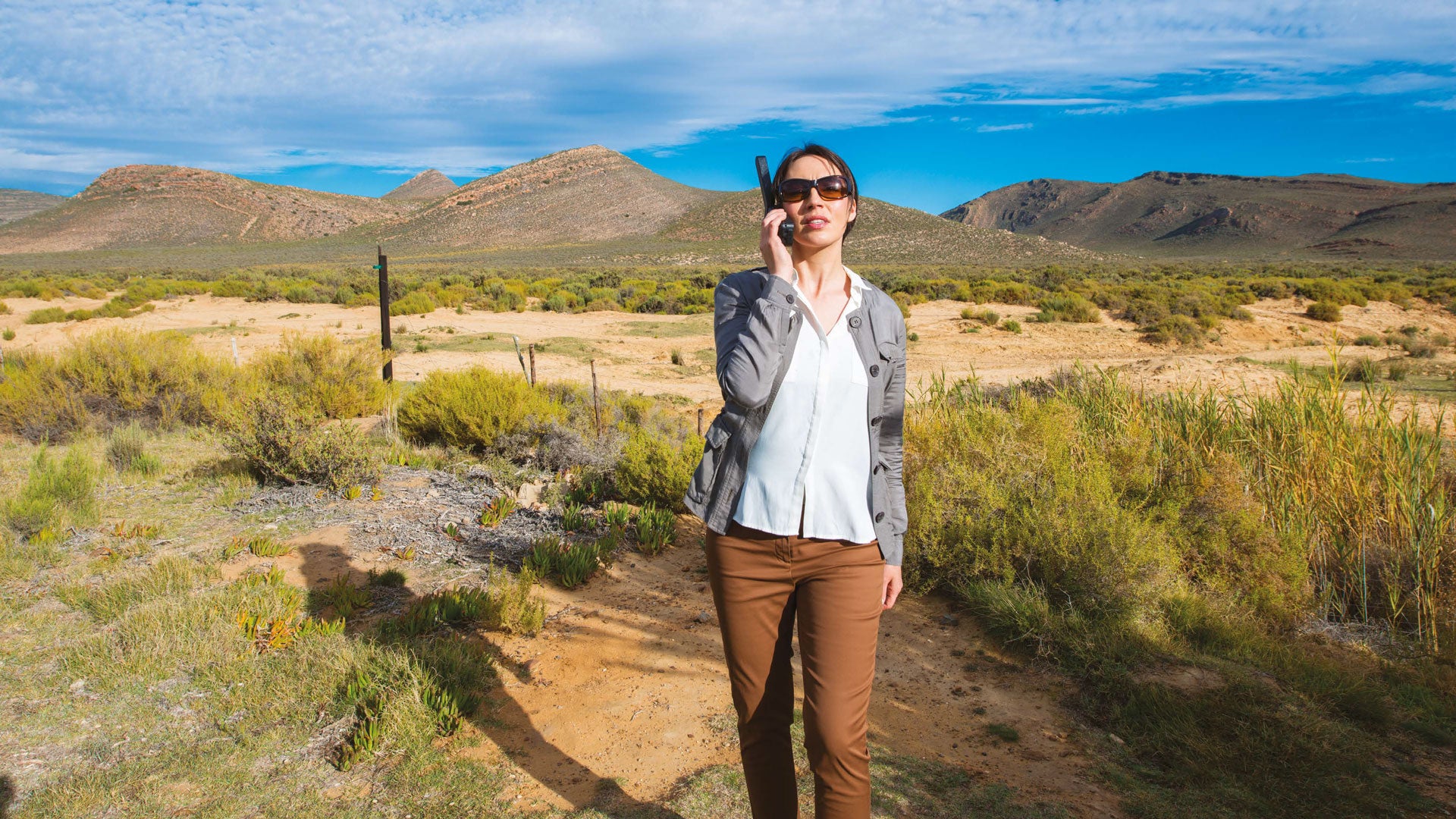
Outside of emergency situations, satellite phones are also great for outdoor enthusiasts. Hiking, skiing, and other outdoor adventures can quickly take you out of range of cellular towers.
For any long, remote trip, you want a satellite phone with a long battery life and one that can withstand extreme temperature fluctuations. They should always be a part of an emergency first aid kit. A satellite phone can send a message to emergency services if anything goes wrong.
The Best Satellite Phone
A few of the best satellite phones stand out. These include:
-
Iridium Satellite Phone
-
Inmarsat Isatphone
There is no phone on the market that operates as both a smartphone and a satellite phone. Your best bet is to purchase a reliable device built for tough conditions. One of the downsides of smartphones is that they do not have the battery life of satellite phones and cannot tolerate extremely high or cold temperatures.
This can make them more dangerous if you are on a hike and your phone dies.
Iridium Satellite Phone
The Iridium 9555 is a reliable, robust, and compact phone. It works everywhere, without exception. It has been designed to withstand the harshest conditions so that users can rely on it in all circumstances. Its standby time can be up to 30 hours and up to 4 hours of talk time.

The Iridium 9575 is small, rugged, and exactly what you need if you're trying to save space in the outdoors. This satellite phone is ideal for emergency situations thanks to its simple design and 3.5-hour voice call capability.
The Iridium 9575 also offers 30 hours of standby time. If you don't want to break the bank and need something for when times get tough, this is the phone for you.
Iridium Extreme® is the first satellite phone to combine geolocation, SOS, and rugged durability.
Inmarsat Isatphone

The Inmarsat Isatphone is arguably one of the best, if not the best, satellite phones on the market. What makes it a great choice?
It is the best phone if you are traveling to blizzard, high heat, or even heavy rain areas. How rugged is it?
The IsatPhone Pro 2 can operate at -20° C and up to 55° C. Plus, you don't have to worry about your screen breaking or your phone breaking if you bump it against something.
The IsatPhone Pro 2 is shock and scratch resistant, giving you access to the outside world at all times. It can also be equipped with prepaid SIM cards that will allow you to quickly connect to your new phone.
The Inmarsat IsatPhone Pro 2 uses the Inmarsat satellite network, which allows you to enjoy fast speeds and call stability. You can get nearly 8 hours of talk time and about 160 hours of standby time.
Find Your Next Satellite Phone
A satellite phone can save you in a pinch. Whether it's a natural disaster or your annual backpacking trip, the best satellite phone will provide reliability, speed, and long battery life.
The Inmarsat Isatphone is one of the best on the market in terms of cost, durability, and user interface. You won't have to worry about lags in network connection or difficulties in harsh weather conditions. Check out our website to purchase the latest IsatPhone Pro 2, or browse our wide range of communication systems.
Photo Credits: Iridium and Inmarsat